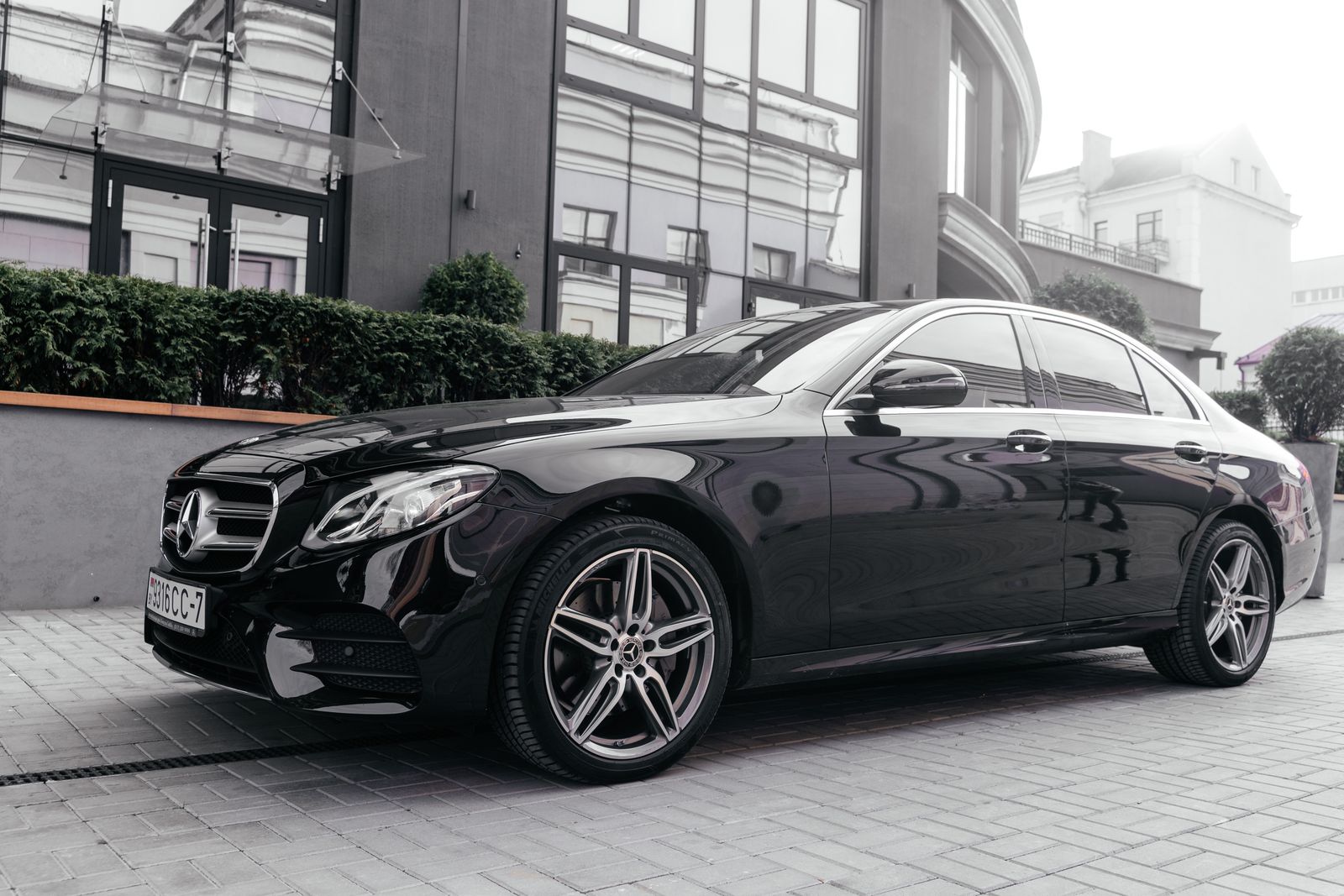
Every large conference runs two transport systems at once. The first is the shuttle, carrying hundreds of attendees between hotels, airports and the venue. The second is the speaker service, a small number of cars moving keynote speakers, panelists and guests of honor on tight schedules. They share the same roads and the same venue, but they follow different rules.
This article explains how to plan both layers and how to keep them from colliding. It covers demand estimates, vehicle mix, speaker arrivals, green room timing and the contingencies that matter when a session overruns. It applies to a conference of two hundred and one of twenty thousand, with scale adjusting the details rather than the principles.
Key takeaways
- Plan the shuttle layer for volume and the speaker layer for precision, and keep them separate.
- Design shuttle loops around hotel clusters and peak waves, using coaches and Sprinters.
- Plan the speaker chain from arrival to departure, including entrance, green room and call time.
- Test routes at the hour of travel and keep a standby car for speakers.
- Share a VIP list with the desk, and keep VIP vehicles from blocking shuttle drop-offs.
Two layers, two logics
The shuttle layer is about volume and predictability. Attendees move in waves, on fixed loops, and the success measure is short waits and full vehicles. The speaker layer is about precision. A keynote speaker has a precise slot, and a late car is a serious problem, not an inconvenience.
Keep the layers separate in your planning. Different vehicles, different chauffeurs and often different drop-off points protect each from the other's disruptions.
Communication ties the two together. A single transport lead, on site and reachable by phone, can see both layers at once and make trade-offs, such as holding a shuttle for a few minutes or sending a standby car to collect a speaker, without waiting for approvals.
Designing the shuttle layer
Start with where attendees sleep, and when they need to be at the venue. Map hotel clusters, estimate numbers and design loops that suit the peaks: the morning arrival wave, the lunchtime movement if the venue is spread out and the evening return after the last session or reception.
Vehicle mix
Coaches suit high-volume loops between a hotel cluster and the venue. Executive Sprinters serve smaller hotels and off-peak runs. Models vary by city, so ask for categories and expect or similar.
Timetable and signage
Publish a clear timetable, mark stops with signs and place marshals at the busiest points. Keep the loop simple, and adjust after the first morning using real data.
Airport arrivals
Group attendee arrivals by flight window and run airport shuttles on a schedule, with flight tracking to adjust. For senior executives or sponsors, offer chauffeured transfers on request.
Designing the speaker layer
A speaker's day often looks like this: arrival from the airport, a stop at the hotel, transfer to the venue, green room, stage, perhaps a press interview and departure. Every step has a time, and each depends on the previous one. Plan the whole chain, not only the pick-up.
Assign a named chauffeur to each VIP speaker, and share the speaker's schedule and the contact details of the speaker liaison. Chauffeurs should know the exact entrance for speakers, which is often a backstage or service door, and how to reach the green room.
- Flight details and a flight-tracked arrival with a name board or discreet greeting
- Hotel and room arrangements, including early check-in where needed
- Venue speaker entrance, green room and call time
- A planned departure after the session, with a standby car if the schedule shifts
- A named speaker liaison who can answer questions on the day
Timing and the green room
Speakers usually need to arrive well ahead of their slot for sound checks, briefings and preparation. Work backward from the stage time, adding a buffer for traffic and screening at the venue. A keynote speaker who is stuck in traffic is far more disruptive than one who waits in the green room for twenty minutes.
In cities with heavy traffic, such as New York, Los Angeles, Miami or Dallas, test the route at the hour of travel. A chauffeur who has driven it at that time is a valuable source of advice.
When the schedule slips
Sessions overrun. Keep a standby vehicle for speakers, and agree whether a late speaker departs from the same entrance or another. Tell the chauffeur who can authorize a change.
Sponsors, VIP guests and executives
Beyond speakers, many conferences host sponsors, board members and invited guests who expect a higher level of service. A short VIP list with names, arrival times and preferences allows the desk to plan chauffeured transfers alongside the shuttle. Keep the arrangements discreet, and make sure VIP vehicles do not block the shuttle's drop-off.
BlackLine chauffeurs are licensed, background-checked, insured and trained in discretion and meet-and-greet procedure. We do not provide armed security, and chauffeurs work alongside any protection staff assigned.
Booking with BlackLine
Tell the 24/7 desk about your conference by phone on 1 (877) 397-6699, WhatsApp or email at support@blacklinelimousineservice.com. Share the venue, hotels, expected numbers and the speaker list. The desk will propose a shuttle design and speaker plan, with fares quoted live. With own and vetted partner operators in 58 countries, the same plan can support a conference series across several cities.
Planning a trip? Corporations & Roadshows · instant quote · 1 (877) 397-6699
Frequently asked questions
How early should a speaker arrive at the venue?
It depends on the conference and the session. Work backward from the stage time and the call time given by the organizers, then add a buffer for traffic and screening.
Can speakers have named chauffeurs?
Yes. A named chauffeur can be assigned to each VIP speaker, with the speaker's schedule shared in advance.
Do you run shuttles for attendees?
Yes, with coaches and Executive Sprinters on loops between hotels, airports and the venue. Share numbers and locations and the desk will propose a design.
What if a speaker's flight is late?
Flights are tracked and a standby vehicle can be used. Share the speaker liaison's contact with the desk so changes reach the right people quickly.