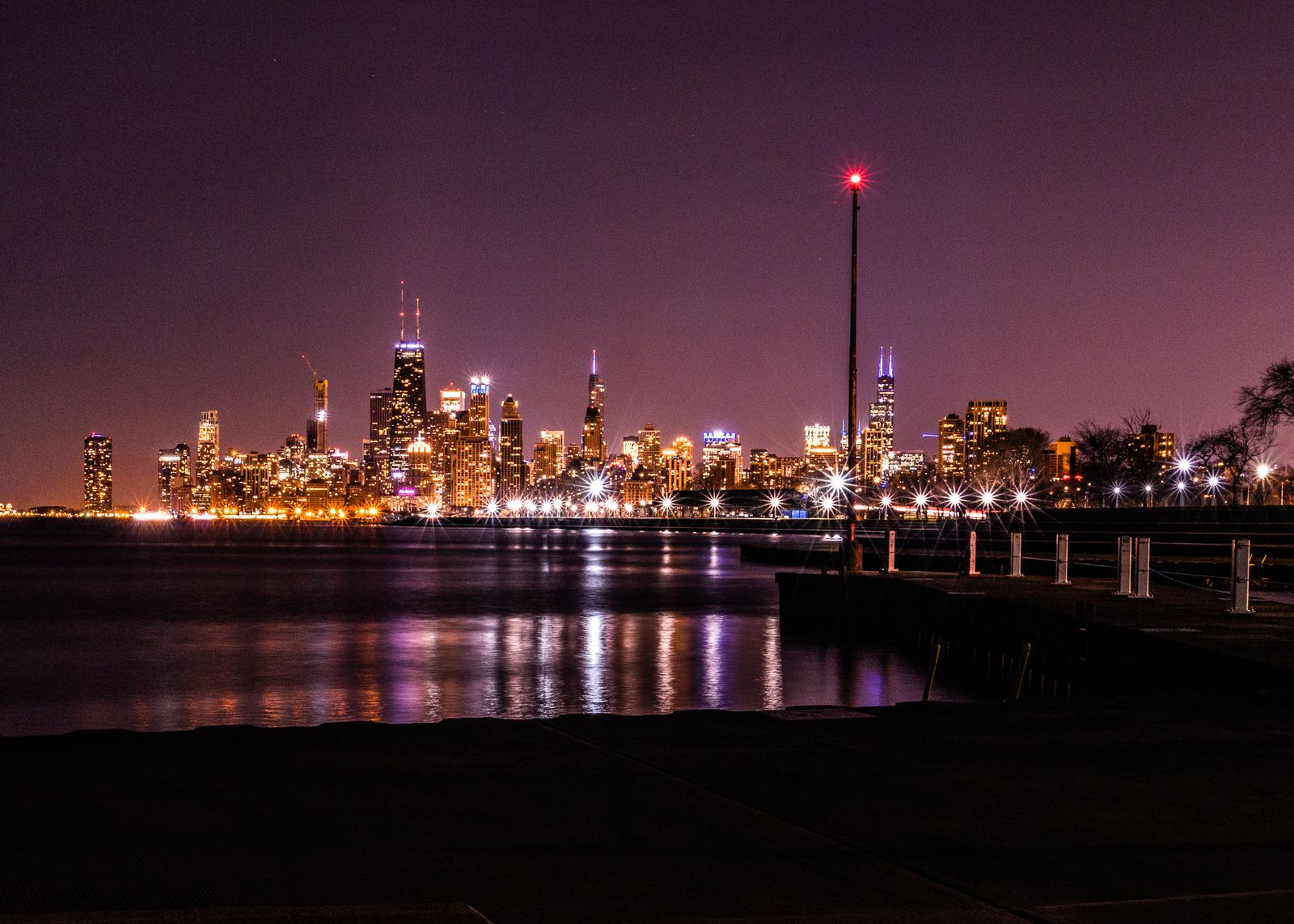
McCormick Place is one of the largest convention complexes in North America, and when a major show is in town the neighborhood around it becomes a temporary city. For the event manager, the headaches are familiar: thousands of attendees, a handful of hotels near the halls, shuttle lines and an airport that sees most of its trip waves arrive within the same few hours.
This guide is written for corporate travel managers, event planners and executive assistants arranging cars for a smaller group within a big show: executives, speakers, board members, sponsors and key clients.
Key takeaways
- Confirm the building, entrance and vehicle rules with the show organizer before you book.
- Midway is much closer to McCormick Place than O'Hare, but your flight decides.
- Use a mix of a dedicated chauffeur, an on-call pool and group shuttles.
- Send a daily schedule and one point of contact to the desk.
- Book early because supply tightens during major shows.
Understanding the McCormick Place campus
The complex sits on the lakefront south of the Loop, near the Museum Campus and Soldier Field. It consists of several large buildings joined by walkways, with different halls hosting different shows. The distances inside are significant. A guest who arrives at the wrong building may need a lengthy walk or a shuttle ride to reach the correct hall.
Before the show, ask the organizer which building and entrance your executives will use, where private cars may stop and whether credentials or vehicle passes are required. Give the answers to your chauffeur desk.
From the airport to the lakefront
O'Hare lies about 35 km (22 mi) from McCormick Place, and the drive normally takes 40 to 75 minutes, depending on the hour. Midway is much closer, about 14 km (9 mi), and typically 20 to 40 minutes. Large shows bring heavy arrival waves, particularly on the Sunday and Monday before the opening, and a late flight can mean an evening drive through lakefront traffic.
A tracked pickup with meet and greet helps executives skip the crowded curb. Tell the desk if guests arrive at different times, and we will sequence the pickups from a single desk.
Hotels near the campus and downtown
Some hotels are connected to or very close to the halls, while many attendees stay downtown and use shuttles or taxis. A private car makes more sense for those who need flexibility, privacy or tight scheduling. If your executives are downtown, the drive to the halls is usually short but can be slowed by lakefront roads.
Rail and other options
A commuter rail line stops at the complex, which can be useful for some attendees. Executives with luggage, tight timetables or a need for confidential calls usually prefer a car.
Three layers of service for a corporate group
Most corporate programs combine different kinds of vehicles, each doing a specific job. Mapping them out at the start prevents overspending and under-delivering.
- A dedicated chauffeur and vehicle for the CEO, the keynote speaker or the top client
- A pool of on-call sedans and SUV class vehicles for executives moving between hotels, halls and dinners
- Executive Sprinters or coaches for team transfers, sponsor events and off-site visits
Dedicated chauffeur: what changes
With a dedicated driver, you no longer start every trip from scratch. The chauffeur knows the building entrances, the staff and the schedule, and can wait nearby. Send a day sheet each morning with times, addresses and the names of guests.
On-call pool: how to avoid delays
A pool works best when requests are made in advance and one person coordinates them. Give your guests a single contact number and a short message template, so requests are clear.
Show days, dinners and the weather
Show days start early and end late. Executives may move between meetings in the halls, client lunches in the Loop and dinners in River North or the West Loop. Evening traffic on the lakefront roads and the main expressways can be heavy, particularly during a game or a concert at nearby venues.
Weather matters. Winter storms can close roads and delay flights, and summer can bring thunderstorms and heat. A chauffeur watches conditions and adjusts the plan. Ask your guests to carry the driver's number and keep a phone charged.
Exhibitors and large teams
Exhibitor teams often need early starts for setup, late finishes for breakdown and shuttle runs for equipment and personnel. Executive Sprinters can carry a crew and their cases, and a fixed loop with set pickup times takes pressure off the booth staff. Share the headcount, the schedule and any special equipment.
Safety, vetting and corporate requirements
Corporate buyers ask sensible questions. BlackLine chauffeurs are licensed for commercial passenger transport in their city, background-checked, insured and trained in defensive driving, etiquette and discretion. Many are multilingual. We do not provide armed security, and we coordinate with your own protection team when it is assigned. If your procurement team needs documents, ask the desk what we can supply.
Booking with BlackLine
Book early, because vehicles and chauffeurs are in short supply during large shows. Call the 24/7 desk on 1 (877) 397-6699, message on WhatsApp, email support@blacklinelimousineservice.com or use the instant quote in the booker. For recurring events and corporate programs, ask the desk about setting up an account for your team.
Planning a trip? Hourly & As-Directed Chauffeur · instant quote · 1 (877) 397-6699
Frequently asked questions
How far is McCormick Place from O'Hare?
About 35 km (22 mi), and typically 40 to 75 minutes depending on traffic.
Can a car wait at the convention center?
Waiting areas are controlled. We agree the stop and the waiting location in advance and the chauffeur returns on a message.
Do you provide a dedicated chauffeur for a speaker?
Yes. A dedicated chauffeur and vehicle can stay with the speaker for the whole event. The desk quotes it live.
Can you run a shuttle between hotels and the halls?
Yes. Executive Sprinters or coaches can run a loop on a schedule agreed with you.
Are your chauffeurs insured and vetted?
Yes. They are licensed for commercial passenger transport in their city, background-checked and insured.