The Gulf capitals are among the busiest meeting points for diplomacy, energy, finance and regional security. Riyadh, Doha and Abu Dhabi each host a steady flow of ministerial visits, summits and business delegations, and each rewards planners who understand local rhythms: protocol sensitivity, intense heat, late evenings and a strong expectation of hospitality.
This guide offers a practical overview for officials and staff planning ground transport in the three cities. It describes the arrival gateways in general terms, what each city is like to move around in, how etiquette shapes the chauffeur's role, and how to build a plan that holds up when the program changes. Check current entry, visa and venue rules with your embassy or host before you travel.
Key takeaways
- Gulf capitals are car-oriented, and heat, distance and late evenings shape every plan.
- Ask the protocol office about vehicle presentation and chauffeur expectations.
- In Riyadh, limit cross-city moves and keep a standby car, and in Doha, still plan timing carefully.
- Treat the Dubai to Abu Dhabi leg as a full transfer with a consistent chauffeur.
- Chauffeurs coordinate with protection teams and do not replace them.
What the three cities have in common
All three cities are car-oriented, with wide highways and a premium on air-conditioned comfort. Official programs tend to be tightly choreographed, with receptions, majlis-style meetings and dinners that run late. Hospitality is a point of pride, and a visiting delegation that arrives in a polished, punctual vehicle sends the right message.
Protocol matters. Arrival procedures, seating order in vehicles and dress for chauffeurs can all carry meaning. Ask your host's protocol office what they expect, and share it with the booking desk.
Finally, build rest into the plan. Long flights, heat and late dinners add up, and a delegation that arrives straight into a full program can tire quickly. A realistic first-day schedule with a gap after arrival leaves everyone sharper for the meetings that matter.
- Expect late evening events and plan morning pickups with that in mind
- Heat shapes everything, so cabins must be cool and waiting time minimized outdoors
- Ask about vehicle presentation and chauffeur dress with the protocol office
- Confirm entry formalities and any required local permissions before departure
Riyadh
The Saudi capital is spread out, with government districts, the diplomatic quarter, business towers and hotels in different parts of the city. Drives between them can be long, and traffic builds at peak hours. Most international visitors arrive at King Khalid International Airport in the north of the city, a transfer of roughly 35 to 45 km (about 22 to 28 mi) to central hotels, depending on destination and traffic.
Planning the Riyadh day
Because distances are significant, limit the number of cross-city moves in a single afternoon. Group meetings by district, and keep a standby car near the hotel for changes.
Etiquette
Be mindful of local customs, prayer times and the cultural context of the visit. A good chauffeur adapts quietly to these without asking the passenger to explain.
Doha
Qatar's capital is compact by Gulf standards, and many hotels, ministries and conference venues sit within a modest drive of one another. Hamad International Airport is the main gateway, with a drive to central areas of roughly 20 to 30 minutes in light traffic. Short distances do not remove the need for timing discipline, since road works and event traffic can slow movement considerably.
Delegations often combine government meetings with business and conference calendars. Vehicles that can move quickly between a hotel, a ministry and an evening venue, with clear drop-off points, are the practical priority.
Abu Dhabi
The capital of the United Arab Emirates mixes government offices, finance districts, island hotels and large venues. Abu Dhabi's main international airport serves the city, and many delegations also connect through Dubai and drive the highway to the capital, a journey of roughly 140 km (about 87 mi) that usually takes 90 minutes to two hours depending on the starting point and traffic.
Plan the Dubai-to-Abu Dhabi leg as a proper transfer, not an afterthought. Luggage, calls and a rest during the drive matter after a long flight.
Between the emirates
For delegations splitting time between Dubai and Abu Dhabi, a single chauffeur and vehicle for the duration avoids repeated handovers and gives the principal one consistent point of contact.
Vehicles and chauffeurs
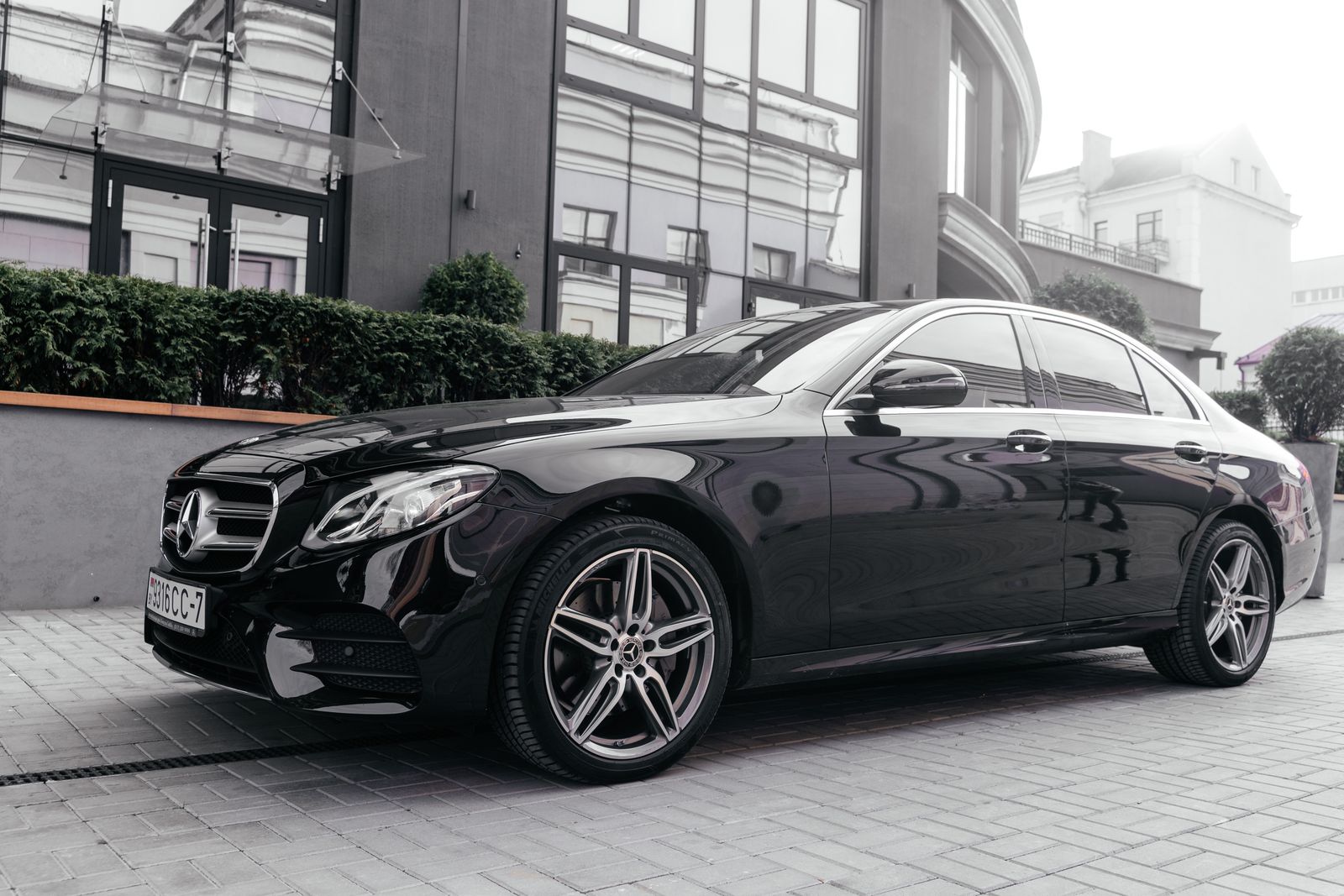
Executive sedans in the Mercedes-Benz S-Class class and large SUVs in the Escalade, Navigator or Suburban class are usual for official programs, with Executive Sprinters for staff groups. Models vary by city, so book by category and expect or similar. Chauffeurs are licensed for commercial passenger transport locally, background-checked, insured and trained in etiquette, discretion and meet-and-greet procedure. Many are multilingual.
BlackLine does not provide armed security; if your delegation has a protection team, chauffeurs coordinate with it on routes, entrances and timing.
Booking with BlackLine
Contact the 24/7 desk on 1 (877) 397-6699, via WhatsApp or at support@blacklinelimousineservice.com. Share your flights, host contact, hotel and the program outline. Fares are quoted live, and the desk can prepare a written plan for a multi-city regional tour. Own and vetted partner operators across 58 countries allow the same standards to follow a delegation from one capital to the next.
Planning a trip? Government Delegations & Summits · instant quote · 1 (877) 397-6699
Frequently asked questions
How far is King Khalid International Airport from central Riyadh?
Roughly 35 to 45 km (about 22 to 28 mi) to central hotels depending on destination, with traffic making a large difference. Allow generous time.
Can one chauffeur cover Dubai and Abu Dhabi?
Often yes, and it is a good option for delegations splitting time between the two. The drive is roughly 90 minutes to two hours. Confirm availability with the desk.
Do chauffeurs speak Arabic and English?
Many chauffeurs are multilingual. Tell the desk which languages you need and they will request them where available.
Can the car wait during long meetings?
Yes, vehicles can stage near the venue. Agree the plan and a contact method with the chauffeur, and the desk quotes the waiting arrangement live.