For many private clients the dog or cat is family, and a move between New York, Palm Beach and Los Angeles is not a move unless the animal comes too. Private aviation makes that easier than a commercial cabin, but the experience still depends on the less glamorous parts: the carrier, the paperwork, the car that collects you and the way the animal is handled between the hangar and the front door.
This guide walks through pet travel from the ground up. It covers who decides whether a pet may travel, what to prepare, how to brief a chauffeur, and how to avoid the common mistakes that turn a calm journey into a stressful one for the owner and the animal.
Key takeaways
- Tell the aircraft operator and the ground provider about the animal when you first request the trip.
- Paperwork rules vary by country and sometimes by state, so confirm with your vet and the official authority well ahead of time.
- Use a familiar, secure carrier and keep it closed from the house to the destination.
- Choose an SUV for large crates and brief the chauffeur on size, temperament and any allergies.
- Keep arrival calm and simple, with one person responsible for the animal at every handover.
Start with who sets the rules
Three parties decide whether and how a pet can travel: the aircraft operator, the authorities at the destination, and the ground provider. Private operators generally set their own policy on animals in the cabin, and some ask for notice, a size limit or a signed acknowledgement. Destination countries and, in some cases, individual US states have their own entry rules for animals. Those rules change, so rely on the official source rather than a forum post.
Tell your aircraft operator or broker about the animal at the time of the request, not on the morning of departure. Cleaning arrangements, cabin temperature and the position of the carrier are easier to settle when the operator knows in advance.
The paperwork checklist
Requirements differ by route, species and country, so treat the list below as prompts for a conversation with your veterinarian and the relevant authority rather than a complete legal checklist. Domestic US travel is usually simpler than an international move, but some states and airlines still ask for a recent health certificate.
Allow generous lead time for international trips. Some destinations require blood tests, parasite treatments or a waiting period that cannot be rushed once the date is fixed.
- Identification: a microchip scan or other required ID, with the number matching every document.
- Vaccination records, especially rabies, in the form the destination accepts.
- A health certificate issued by a licensed vet within the window the destination specifies.
- Any import permit, quarantine arrangement or customs declaration the destination demands.
- Contact details for a vet at the destination in case of an emergency.
Carriers, comfort and calm
Choose a carrier that is the right size, well ventilated, secure and familiar. Let the animal spend time in it at home for days before travel so the carrier smells like safety, not like a trip to the vet. Line it with something absorbent and pack a spare lining in a sealed bag.
Plan feeding sensibly. Many vets advise a light meal well before departure rather than a full one just before, and water should be offered in a spill-proof bowl. Ask your own vet about any calming aids rather than guessing, and never medicate an animal for travel without professional advice.
Dogs
Walk the dog before the car arrives so the journey starts with an empty bladder. Bring a short lead, waste bags and a familiar blanket. Large dogs may travel in a fitted crate in an SUV rather than on a seat, which is safer for everyone.
Cats and small animals
Cats usually prefer a covered carrier on the floor or secured on the seat, kept out of direct sun. Keep the carrier closed at all times in the car, the terminal and the aircraft stairs, because a startled cat can slip through a briefly opened door.
Briefing the chauffeur
A good chauffeur is relaxed about animals but needs notice. Tell the desk the species, the number of animals, the approximate size of each carrier or crate, and whether any are nervous, noisy or prone to travel sickness. That lets the desk assign the right vehicle and tell the driver what to expect.
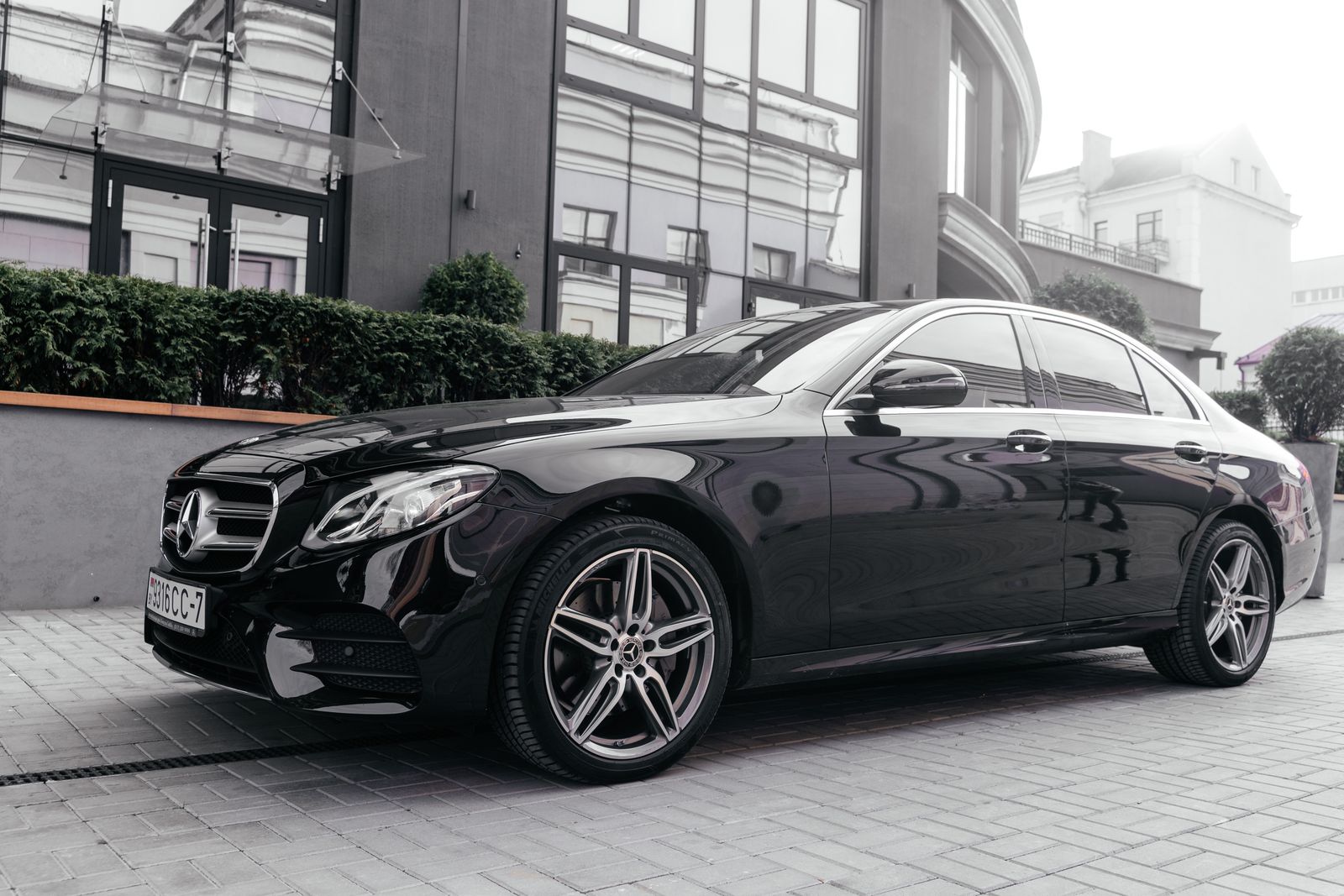
Vehicle choice matters. A Mercedes-Benz S-Class class sedan suits a small dog in a carrier on the rear seat. A Cadillac Escalade, Lincoln Navigator or Suburban class SUV has the cargo space for a large crate and keeps the animal separate from luggage. Models vary by city, so ask for the type rather than a badge. Some cities and operators have their own policies on animals in vehicles, so confirm at booking rather than at the kerb.
Before the car arrives
Ask for the cabin to be set to a sensible temperature before you load, and tell the driver if anyone in the party has allergies.
On the road
Request a smooth, unhurried driving style with gentle braking, and agree where to stop if the animal needs a break on a longer drive.
From the jet to the car
At a private jet terminal, the ground handlers and the chauffeur coordinate the last stretch. Where the FBO allows it, the car can meet you at the aircraft or at the lobby so the animal spends minimal time on the ramp, which can be hot, cold, loud and smelling of fuel. Ask the FBO what vehicles and animals are permitted airside before you arrive.
Keep the animal in its carrier until it reaches the car, and have one person responsible for it rather than three people assuming someone else has it. Handing the carrier to the chauffeur for loading while the owner steps in first is a common and calm routine.
Arrival, the first night and what to pack
The best arrival plan is boring: a direct drive, a quiet entrance and a familiar space. If the destination is a hotel, check the pet policy before you go and ask which entrance suits an animal best. If it is a home, send someone ahead to set out water, bedding and the usual food.
Pack a small bag that travels with you in the cabin rather than in the hold: medication, the vet's number, a copy of every document, spare lead and collar, treats, waste bags and a favourite toy.
Booking the ground leg with BlackLine
BlackLine Limousine Service arranges private jet and FBO pickups where the terminal allows, airport transfers with meet and greet, and city-to-city chauffeur service, all through one 24/7 desk on 1 (877) 397-6699, WhatsApp, or support@blacklinelimousineservice.com. Tell the desk about your animal when you request the quote in the booker and the right vehicle and chauffeur are assigned.
If you are making a seasonal move between cities, the same chauffeur team can plan the home pickup, the airport or FBO, and the arrival at the other end. Fares are quoted live in the booker.
Planning a trip? HNWI & Family Office Chauffeurs · instant quote · 1 (877) 397-6699
Frequently asked questions
Can I bring my dog on a private jet?
Often yes, but it depends on the aircraft operator's policy and the rules at your destination. Tell your broker or operator when you request the trip so they can confirm cabin arrangements and any size or notice requirements.
Will a chauffeur accept a pet in the car?
Many will, with notice. Tell the desk the species, size and carrier type when you book so the right vehicle is assigned and the driver can prepare the cabin.
What documents does a pet need for international travel?
It varies widely by country, but typical items include identification, vaccination records and a vet-issued health certificate. Some countries also require permits, tests or quarantine, so check the official source and ask your vet early.
Is it better to use a crate or a carrier in the car?
A secured crate or carrier is safer than a loose animal on a seat. Large dogs usually travel best in a fitted crate in the cargo area of an SUV.
Should I sedate my pet before travel?
Only if your vet advises it for your specific animal. Sedation can affect breathing and balance, so do not medicate for travel without professional guidance.