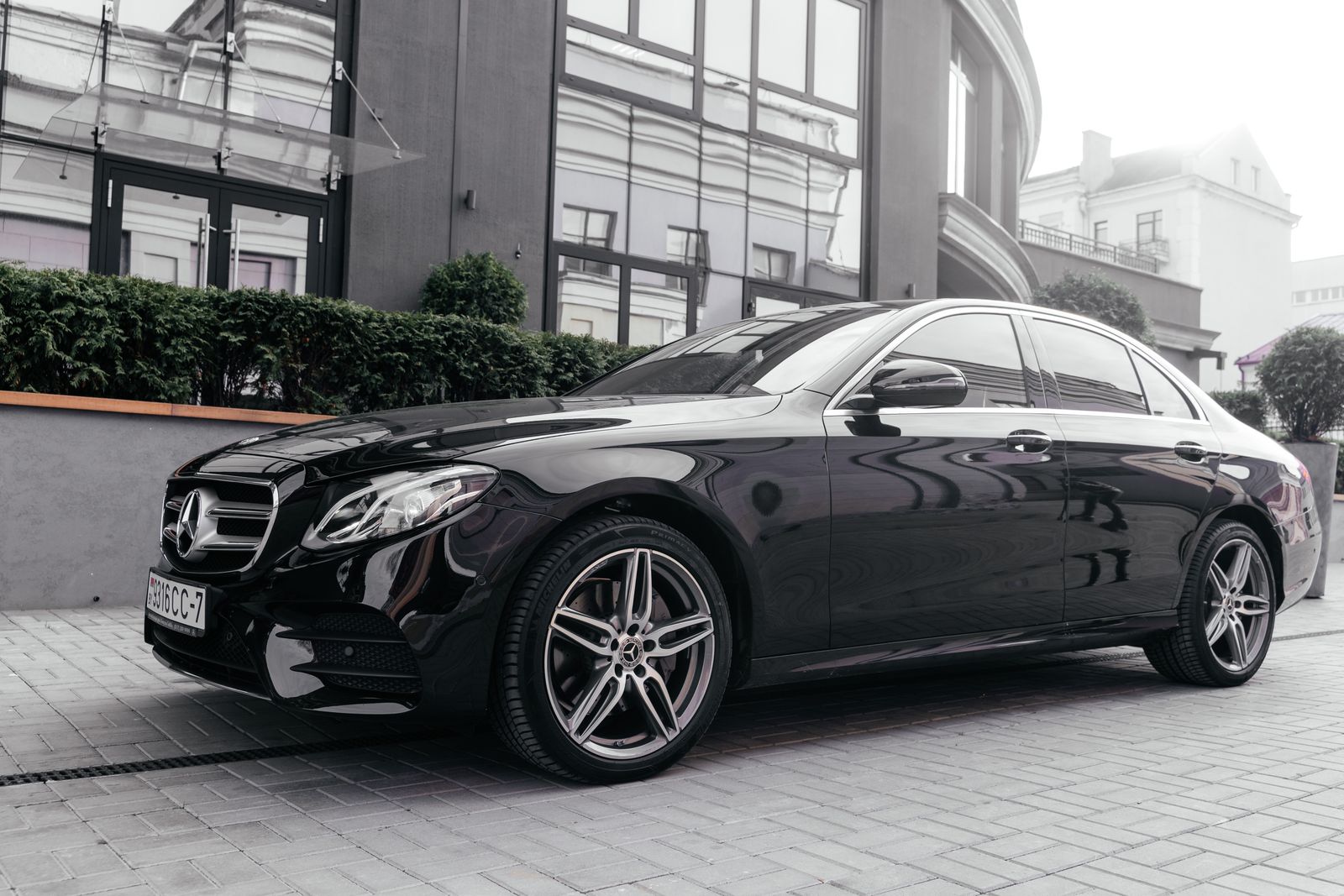
A tour is a moving machine. The sleeper bus or the flights get the group from city to city, but the hours that surround each show are where transport gets complicated: the airport arrival, the hotel check-in, the soundcheck, the show, the late exit and the next morning's departure. Tour managers spend a good part of their lives solving this puzzle, and a reliable local partner in each city is one of the few things that makes the puzzle easier.
This guide is for artists, managers and tour managers. It breaks a tour week into three kinds of day, travel days, show days and days off, and explains what local ground transport can do on each. It does not cover the long-haul bus or the aircraft itself, which belong to specialist tour providers, but the local legs on either side.
Key takeaways
- Local chauffeurs fill the gaps around the main tour transport: airport, hotel, venue and day-off moves.
- Build travel days backwards from departure times, and size vehicles for instrument cases.
- On show days, agree artist and crew entrances with the venue production manager.
- Hourly service suits days off with several unplanned stops.
- Send the desk a complete itinerary and name a single contact who can approve changes.
Where local chauffeurs fit on a tour
A tour usually has a core travel arrangement, whether that is a tour bus, a charter or commercial flights. Local chauffeurs fill the gaps. They meet the artist and the team at the airport, run crew Sprinters between hotel and venue, provide a quiet car for the artist on the day of the show and handle the odd, unplanned errand that every tour produces.
BlackLine Limousine Service does not run overnight tour buses. It covers the ground work around them: airport and station transfers, hotel to venue moves, discreet artist cars, crew shuttles and day-off service, coordinated through one desk across its network of own and vetted partner operators.
Travel days
A travel day moves the group from the last city to the next. Even if the bus does the main distance, someone has to bring people to the bus, and when flights are used, the airport legs matter. Build the day backwards from the departure time, with enough margin for check-in and security, and remember that members of the group may not all leave at the same time.
Flights
For flying tours, plan the hotel-to-airport run with one vehicle per group of travellers and extra space for instrument cases. At the destination, a driver with a name board or a discreet greeting meets the group and the luggage, and flight tracking adjusts the pickup if a flight is late.
Rail and road
Where the tour uses trains or drives between nearby cities, local cars can take the artist to the station and meet them on arrival. This suits shorter hops such as New York to Boston or Los Angeles to San Diego, where a car or a train may beat a flight.
Show days
Show days follow a pattern. The crew arrive first, often at dawn, to load in. The artist arrives later for soundcheck and rehearsal, then rests, eats and prepares. After the show, the team loads out and heads to the hotel or the next stop.
Transport on show days is mostly about timing and calm. The crew Sprinter moves the team from the hotel to the venue and back, and the artist's car provides a quiet space away from the crowd. Agree the arrival point with the venue's production manager, since artist entrances, loading docks and public doors are rarely the same.
- Crew: early shuttle from hotel to venue, then a return after load-out.
- Artist: car for soundcheck, a rest break and the show, with a discreet entrance.
- Guests and family: a separate car, so the artist's vehicle stays free.
- After the show: a flexible car for dinner, the hotel or an unplanned stop.
Days off
A day off is not really a day off for the person arranging it. Artists want to rest, see a doctor, shop, visit family, record a radio session or attend a meeting. A chauffeur on an hourly basis lets the team do all of this without booking separate cars for each trip.
In cities with a lot to see, such as New York, Los Angeles and Miami, a driver who knows the roads and the quiet entrances can make a free day feel more relaxed. Tell the desk the general plan and let the driver manage the order of stops.
Privacy on a day off
If an artist wants to move quietly, ask for NDA chauffeurs, alternate entrances and a vehicle with tinted rear glass where available. There is no armed security on offer, but chauffeurs work alongside the artist's own protection team.
What a tour manager should send the desk
A good brief saves hours. Send the itinerary, the group size, the names of the people who travel together, the venue addresses, the hotel names and the key times. Flag instrument cases and equipment, which affect the vehicle size. Name a single contact on the tour who can approve changes.
- Tour dates and cities in order.
- Flight and train details with times.
- Names and roles of passengers and who travels with whom.
- Equipment and luggage, including instrument cases.
- Privacy requirements and any special guests.
Booking tour legs with BlackLine
BlackLine plans local tour transport through one 24/7 desk reachable on 1 (877) 397-6699, WhatsApp or support@blacklinelimousineservice.com. The team assigns Mercedes-Benz S-Class class sedans, SUVs, Executive Sprinters or crew Sprinters in each city, and shares driver names and numbers before each stop. Fleets differ between cities, and each confirmation names the closest available class.
Because the desk works with partners in 58 countries, the same method applies when the tour moves abroad. Pricing is quoted live in the booker or by the desk for your itinerary.
Planning a trip? Film & TV Production Transport · instant quote · 1 (877) 397-6699
Frequently asked questions
Can the desk provide tour buses?
No. The service covers local ground transport such as airport transfers, hotel and venue moves, artist cars and crew shuttles, and works alongside the tour's main transport.
Can the same desk handle multiple cities?
Yes. The desk coordinates chauffeurs in each city through its own and vetted partner operators and shares driver details before each stop.
How are instrument cases handled?
Tell the desk the number and size of cases so the right vehicle is assigned. Executive Sprinters and SUVs offer more space than sedans.
Can an artist arrive discreetly at the venue?
Yes. Agree a discreet entrance with the venue and ask for NDA chauffeurs and tinted rear glass if available.
What if the show runs late?
The desk keeps a standby car and the driver stays in contact with the tour manager, so the return trip adjusts to the real end time.