Documentary crews go where other productions do not: mountain valleys, desert roads, remote coastlines, small towns on the edge of a story. The kit is heavy, the schedule is at the mercy of weather and access, and the people who know the ground best are rarely the ones with a corporate fleet. Ground transport for these shoots is a different problem from moving cast through Los Angeles.
This guide offers a realistic view of transport for documentary crews in remote regions. It explains what a chauffeur company can and cannot do, how to divide the journey into the gateway leg and the remote leg, and how to plan arrivals, equipment and safety so that the crew reaches the story rested and ready. It is honest about the limits, because the best plans start there.
Key takeaways
- Divide a remote shoot into a gateway leg and a remote leg, and use the right provider for each.
- A chauffeur desk is best on airport, station and gateway city transfers, not off-road expedition travel.
- Tell the desk the number and size of equipment cases so the right vehicle is assigned.
- Rely on local guides and specialist drivers for the remote leg, and respect local permissions and communities.
- Write a safety plan and avoid back-to-back long days and tired drivers.
Split the journey in two
The most useful way to think about a remote shoot is as two journeys. The first is the gateway leg, from the airport or station to the last town with proper hotels and services. The second is the remote leg, from that town into the field. The two legs have different needs, different vehicles and often different providers.
A chauffeur company is most effective on the gateway leg, which takes place on public roads in or near a city. The remote leg is the territory of local guides, specialist off-road operators and the community that hosts the shoot.
The gateway leg: where a chauffeur desk helps
The gateway leg is where many documentary crews lose time. A tired team lands with heavy cases, camera bodies, batteries and sound kit, and must reach a hotel or a staging point before heading out. A prepared transfer makes the difference between starting the project well and starting it exhausted.
BlackLine Limousine Service arranges airport transfers with meet and greet, luggage help and flight tracking, and can plan transfers from rail stations and cruise ports as well. Executive Sprinters and crew Sprinters carry teams and equipment, and the desk coordinates through its own and vetted partner operators in 58 countries.
Equipment and airline realities
Camera and sound kit often travels in hard cases that exceed a normal luggage allowance. Give the desk the case count and sizes in advance so a suitable vehicle is sent. Batteries and some equipment have airline rules, so check with the airline well ahead of travel.
Staging and rest
Build a night in the gateway city into the plan if the remote leg is long. A crew that rests and checks equipment before leaving is safer and more productive than one that drives on arrival.
The remote leg: local guides and specialist vehicles
Beyond the gateway city, roads change, mobile coverage fades and distances stretch. Four-wheel-drive vehicles, experienced local drivers and guides are often essential. In some regions, boats, small aircraft or animals are part of the transport. These are specialist services that belong to local providers, and a chauffeur company does not replace them.
A good fixer or local guide is the most valuable asset on a remote shoot. They know the roads, the weather patterns, the permissions and the people. Ask them what vehicles are suitable and how far in advance they need to be booked.
- Local guide or fixer: access, permissions, language and safety.
- Four-wheel-drive operator: reliable vehicles and drivers who know the terrain.
- Satellite communication: a plan for areas without mobile coverage.
- Fuel, water and spares: a plan for long distances between services.
Permissions and respect for communities
Remote regions often involve land with specific owners, communities or protected status. Filming and access may require permissions from local authorities, landowners or community leaders. These are arranged by the production's location team or the local fixer, and they are not something a vehicle supplier arranges.
Respect is part of logistics. Arrive on time, follow local customs, agree the days and hours of work and treat the people who host you as partners. A crew that arrives with courtesy gets more access and better stories.
Safety planning
Remote shoots carry real risks: weather, terrain, wildlife, health and distance from help. A written safety plan should cover communication, emergency contacts, nearest medical facilities, evacuation routes and vehicle checks. Share the plan with everyone and review it before departure.
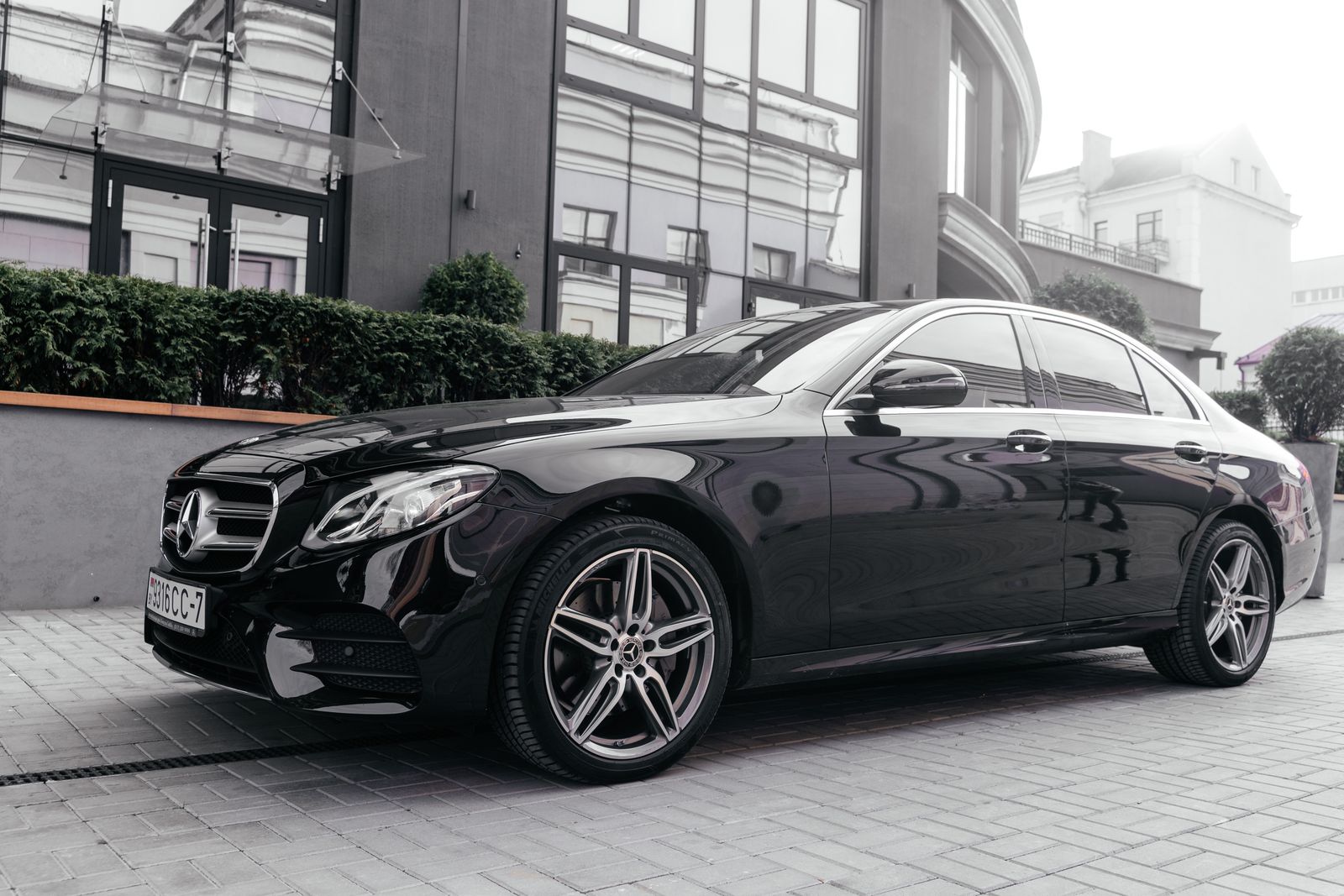
Be honest about what a vehicle can do. A chauffeur sedan is not an expedition vehicle, and no operator should pretend otherwise. Choose the right tool for each leg of the journey and be wary of anyone who promises the same vehicle for both.
Hours and fatigue
Long drives on poor roads are tiring. Plan rest stops and driver rotation and avoid back-to-back long days. A tired driver is a hazard on any road.
Planning the first and last mile with BlackLine
BlackLine plans the first and last mile of a documentary journey: airport, rail station and gateway city transfers, hotel moves and departures. Contact the 24/7 desk on 1 (877) 397-6699, by WhatsApp or at support@blacklinelimousineservice.com with the dates, the crew size, the kit and the destination. The desk will propose vehicles from sedans and SUVs to Executive Sprinters or crew Sprinters, and share driver details before arrival.
Where the journey continues into remote terrain, the desk can focus on the gateway leg and work around the specialist operators you choose. Quotes are given live.
Planning a trip? Film & TV Production Transport · instant quote · 1 (877) 397-6699
Frequently asked questions
Can the desk drive our crew into remote areas?
The service focuses on airport, station and gateway city transfers and city-to-city chauffeur service. Off-road and expedition travel needs specialist local operators, and the desk can plan around them.
How do we handle heavy camera cases at the airport?
Tell the desk the number and size of cases. A crew Sprinter or large SUV is assigned, and the chauffeur helps with luggage.
Should we stay a night in the gateway city?
Often yes. It lets the team rest and check equipment before the remote leg, which improves safety and productivity.
Who arranges permissions to film?
Your location manager or local fixer, working with authorities and communities. A vehicle supplier does not arrange these permissions.
Can the desk coordinate several countries?
Yes. The desk works in 58 countries through its own and vetted partner operators, so one desk can plan the gateway legs for a multi-country series.